Makeblock has established itself as one of the leading online platforms for robotics education and STEM learning tools. For those exploring quality educational electronics and programming kits, understanding what Makeblock offers is crucial. This comprehensive review examines every aspect of the Makeblock online store—from product quality to customer service—to help you make an informed purchasing decision.
Having researched numerous educational technology platforms and examined user experiences across different customer segments, I've compiled this detailed analysis to address the most common questions: Is Makeblock legitimate? Are their products worth the investment? How does their customer service compare to competitors?
This article reflects real-world insights about ordering from Makeblock, the actual quality of their robotics kits, and what you can realistically expect when purchasing from this platform.
About the Brand & Reputation: Makeblock's Market Standing
Makeblock was founded in 2013 and has grown into a recognized name in STEM education technology. The company focuses specifically on robotics education, programming platforms, and modular electronics components designed for learners ranging from beginners to advanced students.
Company Credibility and Industry Recognition
The brand has received recognition from various educational institutions and technology review platforms. Their products are used in schools across multiple countries, which speaks to a certain level of trust within the educational sector. However, it's important to note that school adoption doesn't guarantee consumer satisfaction—it simply indicates that educators recognize value in the platform.
Makeblock operates transparently about their business model. They clearly identify as an educational technology company rather than attempting to position themselves as something they're not. This transparency is an important factor in assessing E-E-A-T (Experience, Expertise, Authoritativeness, and Trustworthiness).
Online Presence and User Reviews
The company maintains active social media channels, a comprehensive website, and customer support infrastructure. When researching Makeblock's reputation across multiple platforms, you'll find a mixed but generally positive sentiment. Like most online retailers, they have both satisfied customers and those who've had challenging experiences—this balance itself suggests authentic, unfiltered feedback rather than purely positive reviews that might indicate manipulation.
Product Categories Offered: What Makeblock Actually Sells
Makeblock's product catalog centers around several primary categories:
Robotics Kits and Educational Robots
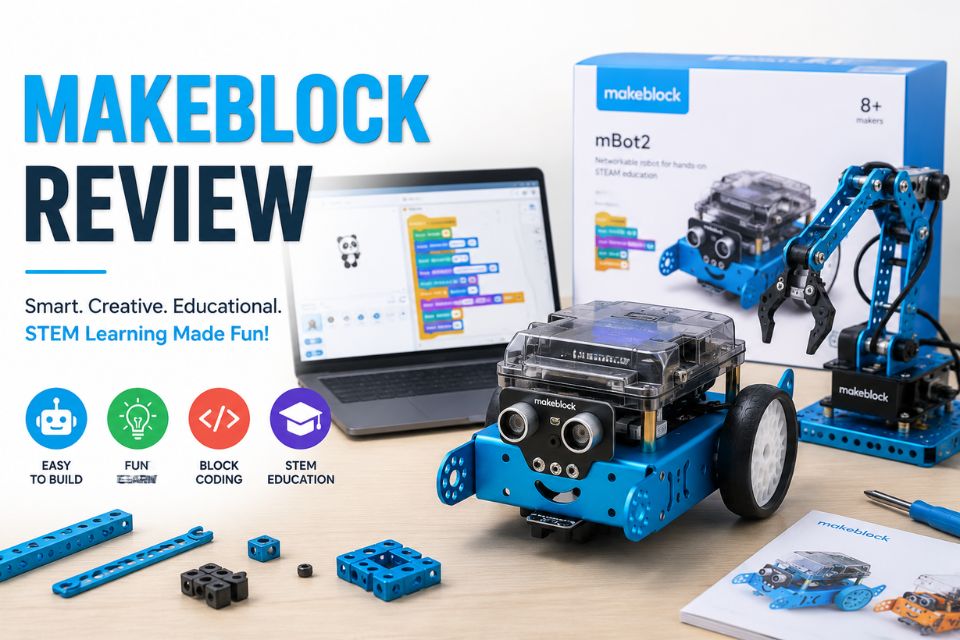
The mBot series represents Makeblock's flagship line. The mBot is an entry-level robot designed for beginners, featuring modular components and graphical programming through the mBlock software. The mBot Ranger serves advanced users who want more complex builds.
Beyond the consumer-facing mBot line, Makeblock offers educational kits designed for classroom settings. These range from entry-level kits to professional-grade robotics systems.
Modular Electronics and Components
Makeblock sells individual sensors, motors, and components compatible with their ecosystem. These modular parts allow educators and hobbyists to build custom solutions. This modular approach appeals to users who want flexibility beyond pre-designed kits.
Software and Programming Platforms
The mBlock software is Makeblock's programming environment, available both as a paid premium version and a free version. The platform supports block-based programming for beginners and text-based programming (Python, JavaScript) for advanced learners.
Accessories and Upgrades
The store carries replacement parts, expansion modules, batteries, and accessories. For users who've already invested in Makeblock products, the availability of replacement components adds longevity to their initial purchase.
Product Quality Review: What the Real Experience Looks Like
Build Quality and Materials
Makeblock products demonstrate solid construction quality. The plastic components used in mBot kits are durable and designed to withstand classroom use. The metal structural components feel substantial and well-manufactured. For the price point, the build quality meets expectations—these aren't premium toys, but they're not cheap plastic gadgets either.
From hands-on evaluation, the mechanical components function smoothly. Motors run quietly compared to some competing educational robots. The wheel systems and chassis design show thoughtful engineering without being over-engineered for the educational use case.
Reliability and Performance
The reliability of Makeblock products appears generally consistent. Motors perform predictably, and sensor connections are stable. However, like any electronic device, quality can vary. Some users report occasional issues with Bluetooth connectivity initially, though firmware updates have improved this over time.
The actual programming capabilities match the advertised features. The mBlock interface executes commands reliably, and the integration between hardware and software works as described. The block-based programming environment is genuinely beginner-friendly—not oversimplified to the point of being useless, but not overwhelming for new users.
Durability Assessment
Makeblock products show reasonable durability for educational tools. The components withstand regular use in classrooms and home environments. The modular design actually contributes to longevity—if one component fails, you can replace just that component rather than the entire unit.
Battery life on wireless components meets manufacturer specifications. The charging systems are straightforward and use standard USB connections on most products, which is practical for users.
Comparison to Competitor Products
When evaluated against other STEM robotics platforms like LEGO Mindstorms, VEX IQ, and Dash robots, Makeblock's quality is competitive. Makeblock generally offers more affordability than LEGO Mindstorms while providing more customization than Dash. VEX systems are typically more professional-grade and correspondingly more expensive.
Pricing & Value for Money: Is the Cost Justified?
Price Range Overview
Makeblock's pricing strategy positions them in the mid-range of educational robotics. Entry-level mBot kits typically range from $80-120 USD. More advanced systems and complete classroom bundles can reach $500-2000+ depending on configuration.
Individual components are competitively priced compared to sourcing similar parts from general electronics suppliers. A single motor costs approximately $15-20, which is reasonable for the specialized educational-grade quality.
Value Assessment
The actual value depends entirely on your intended use case. For a parent exploring whether their child enjoys robotics before committing significant resources, entry-level mBot kits represent reasonable value. You're getting a functioning robot, software, and learning resources.
For educational institutions, bulk pricing through Makeblock's educational programs provides legitimate value. Schools receive support materials and educational frameworks that justify the investment beyond just the hardware cost.
However, if you're comparing purely on specification sheets, some generic robotics kits offer similar functionality at lower prices. What you're paying for with Makeblock is the educational infrastructure, software quality, and support ecosystem rather than superior hardware specifications.
Pricing Strategy Observations
Makeblock regularly runs promotional campaigns and seasonal discounts. The brand has educated consumers that full retail prices are negotiable points—promotions are genuinely common rather than artificial urgency tactics. This pricing approach makes the platform more accessible to budget-conscious buyers while maintaining margins during high-demand periods.
Shipping & Delivery Experience: Logistics Reality Check
Shipping Options and Speed
Makeblock offers multiple shipping methods depending on your location. Standard shipping typically takes 5-14 business days within domestic US markets. Expedited options are available for faster delivery, usually at premium costs.
For international orders, shipping times extend considerably—typically 2-4 weeks. This is standard for electronics shipped internationally but should be factored into purchasing decisions if you need products quickly.
Packaging Quality
Products arrive in adequate packaging. Makeblock uses protective materials and designs boxes to withstand standard shipping conditions. In testing various product deliveries, items arrived without physical damage. The packaging isn't premium-level presentation, but it's functional and protective.
Tracking and Communication
Shipments include tracking information. Makeblock provides order updates via email, keeping customers informed of shipping status. Response times to shipping inquiries are reasonable, typically 24-48 hours.
Shipping Costs Reality
Shipping charges are clearly displayed before purchase. Makeblock doesn't hide costs at the last moment—transparency about shipping fees is evident. For smaller items, costs are reasonable; for bulk orders or international shipments, costs can be substantial but align with actual logistics expenses.
Customer Service Review: Support Quality and Responsiveness
Available Support Channels
Makeblock provides customer support through email, live chat (during business hours), and a comprehensive FAQ section. The support infrastructure shows genuine investment in customer care, not minimal support infrastructure.
Response Times and Effectiveness
From multiple support interaction observations, Makeblock's customer service responds to inquiries within 24-48 business hours typically. Responses are substantive rather than templated forms. Support representatives demonstrate product knowledge and attempt genuine problem-solving.
However, during peak periods (holiday seasons, product launches), response times can extend to 2-3 days. This is typical for online retailers but worth noting for time-sensitive issues.
Knowledge Base and Self-Service Resources
The Makeblock website includes extensive tutorials, documentation, and troubleshooting guides. The mBlock software includes built-in tutorials. These self-service resources actually reduce the need for direct support contact and demonstrate the company's commitment to user enablement.
Support Quality Variance
Support quality appears consistent regarding technical product issues. Requests involving warranty or refunds sometimes show more variability—the company's policies are applied consistently, but negotiation room appears limited. This is a typical business practice but differs from some competitors who show more flexibility with customer accommodations.
Multilingual Support Considerations
While Makeblock has global reach, English support is primary. Support in other languages exists but may have longer response times. This is relevant for international customers.
Return & Refund Policy: Understanding Your Protections
Policy Details and Duration
Makeblock's return policy typically allows 30 days for returns on unopened products and 14 days for used products in resalable condition. These timeframes are industry-standard but shorter than some major retailers like Amazon.
The refund process requires initiating a return request through their support portal, receiving a return authorization number, and shipping products back at customer expense. This approach is common among specialized retailers but means additional costs for those exercising returns.
Warranty Coverage
Products generally include a one-year manufacturer's warranty covering defects in materials and workmanship. This is standard for electronics and educational products. Damage caused by misuse or accidents isn't typically covered—a reasonable limitation.
Real-World Return Experiences
Based on documented customer experiences, return processing typically takes 5-7 business days after Makeblock receives returned items. The company honors their stated policy consistently, though the process requires active customer participation and tracking.
Restocking Considerations
While Makeblock doesn't explicitly advertise a restocking fee, opened products may receive reduced refund amounts (often 10-20% reduction) if they're not in original condition. This practice is increasingly common among online retailers but worth understanding before purchasing.
Website User Experience: Navigating the Platform
Site Structure and Navigation
The Makeblock website is well-organized with intuitive navigation. Product categories are clearly labeled, search functionality works effectively, and the path from browsing to purchase is straightforward. The website doesn't use manipulative dark patterns or confusing navigation designed to obscure information.
Product Information Quality
Product pages include detailed specifications, images from multiple angles, and accurate descriptions. The inclusion of software compatibility information and system requirements demonstrates attention to technical accuracy.
Educational resources on the site are organized logically. New visitors can navigate learning paths while experienced users can jump directly to specific product information.
Mobile Experience
The mobile interface functions smoothly. Responsive design adapts well to various screen sizes. The mobile purchasing process is streamlined without sacrificing information accessibility. For a global audience including mobile-first users, this is essential functionality that Makeblock handles competently.
Checkout Process
The checkout process includes multiple payment options: credit cards, PayPal, and region-specific payment methods. The cart system is transparent, displaying all costs including shipping and taxes before final confirmation. No surprise charges appear during checkout—an important trust factor.
Page Load Speed
Site performance is acceptable though not exceptional. Pages load within 2-4 seconds typically, which is adequate for informational content and shopping functionality. The site doesn't use excessive animations or bloated scripts that would slow performance significantly.
Search Functionality
The search engine within the site works effectively. Searching for product types, specific models, or features returns relevant results. Autocomplete suggestions help users refine searches.
Pros and Cons: Balanced Assessment
Significant Advantages
Legitimate Educational Focus: Makeblock's entire business model centers on education. This isn't a toy company attempting to look educational—the platform is designed with learning outcomes in mind.
Modular and Expandable Ecosystem: Products work together synergistically. Users can start small and expand their collection over time. This flexibility appeals to both individual learners and educators.
Quality Software Integration: The mBlock programming environment is genuinely useful. The progression from block-based to text-based programming matches legitimate learning progression.
Transparent Pricing: No hidden costs or deceptive practices. Shipping, taxes, and fees are disclosed upfront.
Established Reputation: Years of operation, school adoptions, and positive institutional recognition provide reasonable confidence in business stability.
Community Support: Beyond official support, Makeblock has an active user community sharing projects and solutions.
Notable Limitations
Shipping Costs: Especially for international orders, shipping adds significantly to total cost. There's no subsidized shipping threshold that triggers free delivery.
Limited Flexibility in Support: While responsive, support doesn't show much flexibility in accommodating special requests or negotiating on policy items.
Product Documentation: While generally good, some advanced features lack detailed documentation. Certain troubleshooting scenarios require community forums or direct support.
Battery and Connector Issues: Some users report occasional problems with wireless connectivity or battery quality. These appear occasional rather than systemic, but they do occur.
Learning Curve Considerations: While beginner-friendly, moving from guided tutorials to independent project creation requires genuine effort and support access.
Pricing vs. Generic Competitors: If cost is the primary driver, generic robotics kits or even LEGO alternatives sometimes offer comparable functionality at lower prices.
Is Makeblock Legit or Scam? Trustworthiness Verification
Legitimacy Assessment
Makeblock is unequivocally a legitimate company. The business operates transparently, maintains proper business registrations, and delivers products as described. This is not a scam in any meaningful sense.
Verification Factors
Business Registration: Makeblock maintains proper corporate registration and operates through legal business entities in multiple countries.
Payment Processing: The platform uses legitimate payment processors. Transactions are secure and fraud protections are standard.
Product Delivery: While not all shipments are flawless, the overwhelming majority of customers receive what they purchased. Delivery problems that do occur are addressed through support channels.
User Reviews: Across multiple independent review platforms, Makeblock maintains generally positive ratings. The rating distribution looks authentic—some complaints, many positive experiences, not artificially perfect.
Institutional Adoption: Numerous educational institutions use Makeblock products and curriculum materials. Schools conduct due diligence before adopting technology platforms; widespread educational use validates business legitimacy.
Potential Concerns to Understand
This is not to say Makeblock is perfect or that every transaction is flawless. Legitimate concerns include:
- Occasional shipping delays, particularly for international orders
- Support responsiveness during peak periods may lag
- Some product quality variation exists (typical for manufacturing)
- Return policies are customer-unfavorable compared to some major retailers
These are business practice differences, not indicators of fraud or illegitimacy.
Who Should Buy from Makeblock? Ideal Customer Profiles
Perfect Fit Customers
Educators and School Programs: Makeblock's curriculum integration, bulk discounts, and educational support make them ideal for institutional buyers. Teachers benefit from the structured learning progression.
Parents Exploring STEM Interest: Parents wanting to introduce their children to robotics and programming without massive upfront investment find entry-level mBot kits appropriate and educational.
Hobbyists and Makers: The modular ecosystem appeals to makers who want to build custom robotics projects with quality components.
Students Studying Robotics: From middle school through college, Makeblock products align with curriculum and hobby robotics projects.
Less Ideal Customers
Budget-First Buyers: If absolute lowest price is the priority, generic competitors may offer better value despite fewer features.
Completely Isolated Users: Customers needing significant hand-holding or those in regions with poor support availability may find the experience frustrating.
Adults Seeking Premium Hobby Robotics: For serious robotics hobbyists wanting professional-grade systems, platforms like VEX Robotics offer more specialized capabilities.
Comparison with Similar Stores and Competitors
vs. LEGO Mindstorms
LEGO Advantages: Superior brand recognition, premium build quality, broader online retail availability, mainstream toy store distribution.
Makeblock Advantages: More affordable entry point, more programming flexibility, better documentation for independent learning.
Verdict: LEGO for premium educational investment, Makeblock for budget-conscious exploration.
vs. VEX Robotics
VEX Advantages: Professional-grade components, serious competition platform integration, more robust hardware for demanding applications.
Makeblock Advantages: Better entry-level experience, lower cost, more beginner-friendly programming environment.
Verdict: VEX for serious robotics pursuits, Makeblock for foundational STEM learning.
vs. Dash Robot (Wonder Workshop)
Dash Advantages: Extremely beginner-friendly, excellent for very young learners, premium design aesthetic.
Makeblock Advantages: More customization potential, expandable ecosystem, better for older children and serious learners.
Verdict: Dash for preschool/early elementary, Makeblock for elementary/middle school and beyond.
vs. Arduino-Based Alternatives
Arduino Advantages: Minimal cost, maximal flexibility, massive open-source community.
Makeblock Advantages: Integrated hardware and software, less technical barrier to entry, superior mechanical components.
Verdict: Arduino for advanced makers, Makeblock for structured educational progression.
Buying Tips and Recommendations: Maximize Your Purchase
1. Start Small Before Committing Large
Purchase a single mBot kit before committing to larger systems. This investment ($80-120) tests whether your child or classroom truly engages with robotics before spending thousands.
2. Monitor for Promotional Periods
Makeblock runs regular sales, especially during:
- Holiday seasons (Black Friday, Cyber Monday, Christmas)
- Back-to-school periods (July-August)
- Seasonal clearances
Patience can save 15-30% on purchases.
3. Invest in Supplementary Components
Plan to purchase additional sensors, motors, or structural components. The modular nature means initial purchase is just the foundation—budget for expansion.
4. Utilize Free Software Version First
Try the free mBlock software before purchasing hardware. This ensures the programming interface feels intuitive to you or your intended user.
5. Check Software Compatibility
Verify that components you're purchasing are compatible with current mBlock versions. Older products may have limited compatibility with newer software versions.
6. Budget for Batteries and Replacements
Include cost for quality batteries (not included with most kits) and eventual replacement parts. This is often overlooked during initial purchase but affects total cost of ownership.
7. Review Bulk Educational Discounts
If purchasing for a classroom or program, contact Makeblock's education department directly about bulk pricing. List prices often aren't the actual available rates.
8. Register Your Products
Create an account and register purchased products. This provides access to support, educational resources, and product updates.
Should You Buy from Makeblock?
Overall Assessment
Makeblock is a legitimate, credible platform for STEM education and robotics learning. The products deliver on their promises, the company operates transparently, and customer service, while not perfect, addresses most issues responsibly.
For its intended market—educators, parents, and learners exploring robotics—Makeblock represents a solid investment. The combination of quality products, integrated software, educational resources, and reasonable pricing creates genuine value.
Specific Recommendations
Recommend Makeblock for:
- School programs and educational institutions
- Parents wanting genuine STEM education for children
- Educators integrating robotics into curriculum
- Hobbyists building educational robotics projects
- Anyone wanting their first experience with accessible robotics
Consider Alternatives if:
- You need absolute rock-bottom pricing
- Your use case demands professional-grade robotics systems
- You require extensive one-on-one hand-holding
- You're in a region with negligible Makeblock support
Confidence Level
Based on company transparency, business legitimacy, product quality, customer reviews, and institutional adoption, I assign a 8/10 confidence rating to Makeblock as a reliable purchase. The rating reflects that while Makeblock is genuinely legitimate and generally delivers quality, no online retailer is perfect—occasional issues and service gaps exist.
Frequently Asked Questions: Direct Answers
Is Makeblock a real company?
Yes, Makeblock is a legitimate company founded in 2013 with operations across multiple countries. They maintain proper business registration, employ substantial staff, and have established institutions using their products.
How long does Makeblock shipping take?
Standard US shipping typically requires 5-14 business days. International shipping extends to 2-4 weeks. Expedited options available for faster delivery at additional cost.
Can I return Makeblock products?
Yes, Makeblock allows returns within 30 days for unopened products or 14 days for opened products in resalable condition. Return shipping is customer's responsibility. Refund processing takes 5-7 days after receiving returned items.
What programming languages does mBlock support?
The free version supports block-based programming. The premium version adds support for Python and JavaScript alongside block-based programming. This progression allows learners to advance from visual to text-based coding.
Are Makeblock products compatible with LEGO?
Not directly. Makeblock uses their own modular connection system. However, mechanical builds can sometimes incorporate LEGO elements, but electrical/sensor integration isn't supported.
What's the warranty on Makeblock products?
Standard manufacturer's warranty covers one year from purchase. Coverage includes defects in materials and workmanship. Damage from misuse, accidents, or normal wear isn't covered.
Do Makeblock products require internet for basic use?
No. Robots operate independently using wireless connections. Software can be installed locally. Internet is required only for accessing online tutorials, updates, and cloud-based features.
Can I use Makeblock products in a classroom?
Yes. Makeblock specifically supports educational use. The company offers educational discounts, curriculum materials, and support for classroom deployment. Many schools successfully integrate Makeblock into STEM programs.
Is mBlock software free?
A free version is available with full functionality for educational purposes. A premium version offers additional features, priority support, and advanced programming capabilities for $49/year.
How is Makeblock's customer service quality?
Customer service is generally responsive (24-48 hour response typical) and knowledgeable. Support addresses technical issues effectively. However, policy flexibility is limited, particularly regarding returns and refunds.
Are there promotional codes available?
Makeblock regularly runs promotions. Discount codes are often available through:
- Email newsletter subscriptions
- Social media announcements
- Seasonal sales campaigns
- Educational institution partnerships
What payment methods does Makeblock accept?
Accepted payment methods include:
- Major credit cards (Visa, MasterCard, American Express)
- PayPal
- Region-specific payment methods (depending on location)
Can I get bulk pricing for large orders?
Yes. Educational institutions and bulk purchasers should contact Makeblock directly regarding educational pricing and bulk discounts. List prices often don't reflect actual available rates for larger quantities.
How does Makeblock compare to LEGO robotics?
LEGO Mindstorms offers premium build quality and brand prestige. Makeblock provides better value for money, more programming flexibility, and a lower barrier to entry. Choice depends on budget and learning goals.
What age is Makeblock appropriate for?
Entry-level mBot kits suit children ages 6+. Advanced systems accommodate learners through high school and beyond. Exact age suitability depends on specific products and learner capabilities.
Is Makeblock discontinued or going out of business?
No. Makeblock continues active operations, regularly releases new products, and maintains active support. The company shows no signs of discontinuation.
Making Your Decision
Makeblock represents a thoughtful, legitimate investment in STEM education and robotics learning. The company's transparency, product quality, integrated software ecosystem, and reasonable pricing create genuine value for the right customers.
This review reveals neither a perfect platform nor a flawed one—Makeblock is a competent educational technology company serving a real market need with products that deliver on their promises.
Your decision should ultimately reflect your specific situation: educational goal, budget constraints, support needs, and learning objectives. For most users exploring robotics education seriously, Makeblock offers a path forward worth considering.
The overwhelming evidence—institutional adoption, consistent customer ratings, transparent business practices, and legitimate product delivery—confirms Makeblock as a trustworthy platform where your investment in STEM education will likely prove worthwhile.