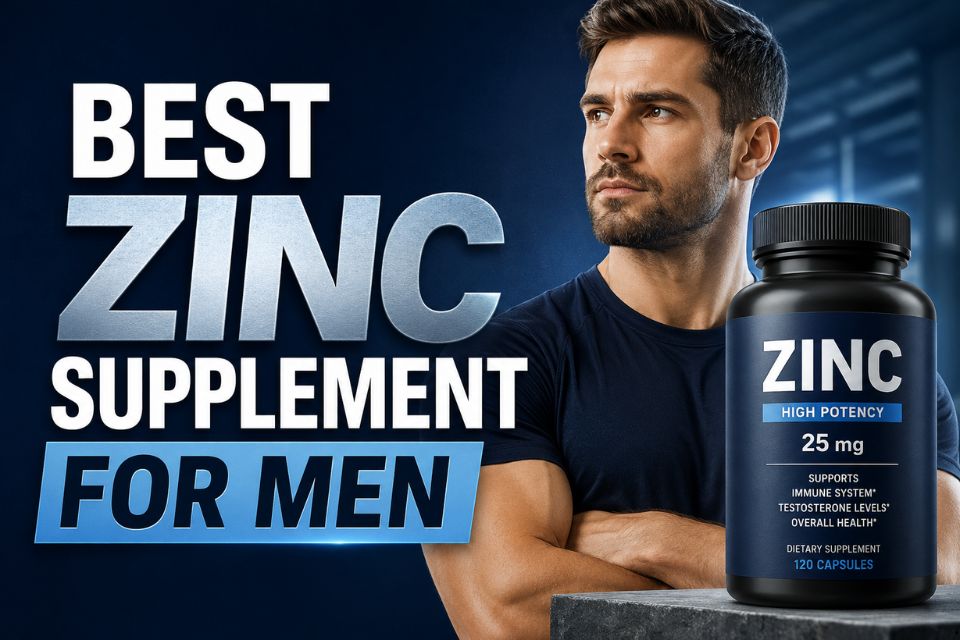
Whether you're a competitive athlete, a busy professional in your 40s, or simply someone trying to stay on top of your health game, zinc is a mineral you cannot afford to overlook. It powers over 300 enzymatic reactions in the body, plays a central role in testosterone production, supports your immune defenses, keeps your prostate healthy, and even sharpens your sense of taste and smell. And yet, zinc deficiency is surprisingly common — especially in men.
The challenge? Walk into any health store or scroll through Amazon and you're immediately confronted with dozens of brands, multiple forms (picolinate? bisglycinate? gluconate?), and dosages ranging from 15 mg to 50 mg per capsule. Choosing the best zinc supplement for men requires more than just picking the cheapest option or the one with the most reviews.
This guide cuts through the noise. We'll cover what zinc actually does for men's health, how different forms compare in terms of absorption, which brands consistently stand out for quality, how much you should take, and what mistakes to avoid. By the end, you'll know exactly which zinc supplement is right for your specific goals.
1. Why Zinc Is So Important for Men
Zinc is an essential trace mineral — meaning your body cannot synthesize it on its own, so you must obtain it through diet or supplementation. While both men and women need zinc, men have some uniquely elevated demands for this mineral.
The average adult male carries approximately 2.6 grams of total body zinc, distributed across every organ, tissue, and fluid in the body. Despite being a trace element, it participates in an extraordinary range of biological processes:
- Protein synthesis and muscle repair — essential for recovery after exercise
- DNA synthesis and cell division — critical for tissue growth and repair
- Immune system regulation — activating T-cells, neutrophils, and natural killer cells
- Hormone production — including testosterone and growth hormone
- Prostate function — the prostate accumulates more zinc than almost any other organ
- Reproductive health — sperm production, motility, and morphology all depend on adequate zinc
- Wound healing — zinc is a key cofactor in collagen synthesis
- Antioxidant defense — protecting cells from oxidative stress and free radical damage
For men specifically, zinc offers what some researchers call a "double benefit": it helps maintain normal testosterone levels in the blood while simultaneously supporting both libido and sperm production. This makes zinc arguably one of the most important minerals in any man's supplement stack.
The World Health Organization estimates that between 17% and 20% of the global population is at risk of zinc deficiency. Given the demanding modern lifestyle — high stress, alcohol consumption, processed food diets, and intense athletic training — many men fall into this category without knowing it.
2. Signs You May Be Zinc Deficient
Zinc deficiency rarely announces itself loudly. Instead, it tends to manifest as a collection of subtle symptoms that are easy to dismiss or attribute to other causes. Here are the warning signs men should watch for:
Physical Signs:
- Frequent colds or infections that seem to linger longer than usual
- Slow wound healing or skin that doesn't bounce back
- Hair thinning or unexplained hair loss
- Changes in taste or smell (both are zinc-dependent senses)
- White spots on fingernails (leukonychia)
- Dry, flaky, or acne-prone skin
Hormonal and Reproductive Signs:
- Reduced libido or sexual drive
- Low testosterone symptoms (fatigue, reduced muscle mass, mood changes)
- Poor sperm quality (if you're trying to conceive)
- Difficulty maintaining muscle despite consistent training
Cognitive and Energy Signs:
- Brain fog or difficulty concentrating
- Persistent low energy or chronic fatigue
- Mood instability or increased irritability
Who's Most at Risk?
Certain men are at significantly higher risk of running low on zinc:
- Athletes and heavy exercisers — zinc is lost through sweat and urine, and studies show zinc levels can drop by up to 30% after prolonged endurance exercise
- Vegetarians and vegans — plant-based diets are high in phytates (found in grains and legumes) that bind to zinc and dramatically reduce its absorption; vegetarians may need up to 50% more zinc than omnivores
- Men over 50 — research shows that 35–41% of older adult males have inadequate dietary zinc intake
- Heavy drinkers — alcohol increases urinary zinc excretion
- Men on certain medications — diuretics, ACE inhibitors, and proton pump inhibitors can all deplete zinc stores
- Men with gastrointestinal disorders — conditions like Crohn's disease, celiac disease, or irritable bowel syndrome impair zinc absorption
If you tick two or more of these boxes, supplementation may be especially beneficial for you.
3. Types of Zinc Supplements: A Bioavailability Breakdown
This is where most buyers get confused — and where choosing the wrong form can mean you're wasting your money. Zinc cannot be absorbed efficiently as elemental zinc alone. The mineral must be bound to a carrier molecule (called a ligand) to facilitate uptake through the intestinal wall. Different ligands result in different absorption rates and tolerability profiles.
Here's a clear breakdown of every major form you'll encounter:
Zinc Bisglycinate (Zinc Glycinate)
Best for: Overall bioavailability, digestive sensitivity, and daily use
Zinc bisglycinate is formed when zinc is chelated with two molecules of the amino acid glycine. It can transport through specialized peptide channels in the gut, bypassing some of the competitive absorption bottlenecks that other forms encounter. Clinical research consistently ranks zinc glycinate and zinc gluconate as the best-absorbed forms available.
In a randomized crossover study, serum zinc levels — measured through mean Cmax, AUC (area under the curve), and other pharmacokinetic markers — were significantly higher after a single dose of zinc bisglycinate compared to zinc gluconate. For men with sensitive digestive systems, this is also the gentlest form of zinc on the stomach.
Zinc Picolinate
Best for: Individuals with low stomach acid, older adults, general immune support
Zinc picolinate is bound to picolinic acid, a metabolite that helps transport zinc across the intestinal lining into the bloodstream. It's one of the most popular forms in premium supplement brands like Thorne Research and Pure Encapsulations, and it enjoys a strong reputation for efficient absorption.
Some research suggests that zinc picolinate may produce higher zinc levels in hair and urine after four weeks of use, indicating meaningful systemic uptake. Its enhanced bioavailability is particularly useful for older men or those managing chronic health conditions that compromise normal digestion.
Zinc Citrate
Best for: Everyday supplementation, good tolerability, and value
Zinc citrate offers good bioavailability that is comparable to zinc gluconate, making it a solid all-around choice for general supplementation. It has an elemental zinc content of approximately 31%, is well-tolerated by most people, and is commonly included in general-purpose zinc supplements.
Zinc Gluconate
Best for: Immune support, cold symptoms, value-conscious buyers
Zinc gluconate is one of the most widely studied forms and is typically found in zinc lozenges for cold relief. It demonstrates good bioavailability, particularly at lower doses. Some studies specifically concluded that zinc gluconate had higher bioavailability at low doses compared to zinc sulfate, making it a reasonable option for men addressing mild deficiency.
Zinc Sulfate
Best for: Clinical zinc deficiency treatment (usually prescribed)
Zinc sulfate is an inorganic form that is less well absorbed than chelated forms. It's more commonly found in pharmaceutical preparations and used for clinically diagnosed deficiency. It can cause digestive discomfort and is generally not the preferred choice for long-term daily supplementation.
Zinc Oxide
Best for: Topical skincare, sunscreens — NOT for oral supplementation
Despite having a very high elemental zinc concentration (around 80%), zinc oxide demonstrates low bioavailability when taken orally. It's far more effective as a topical ingredient and should generally be avoided in dietary supplements intended to raise zinc levels.
Summary Comparison Table
| Form | Bioavailability | Stomach Tolerance | Best Use Case |
|---|---|---|---|
| Zinc Bisglycinate | ⭐⭐⭐⭐⭐ Highest | ⭐⭐⭐⭐⭐ Excellent | Daily use, sensitive stomach |
| Zinc Picolinate | ⭐⭐⭐⭐ Very High | ⭐⭐⭐⭐ Very Good | Deficiency, low stomach acid |
| Zinc Citrate | ⭐⭐⭐⭐ High | ⭐⭐⭐⭐ Very Good | Everyday supplementation |
| Zinc Gluconate | ⭐⭐⭐ Good | ⭐⭐⭐ Good | Immune support, cold lozenges |
| Zinc Sulfate | ⭐⭐ Moderate | ⭐⭐ Fair | Clinical use only |
| Zinc Oxide | ⭐ Low | ⭐⭐ Fair | Topical use only |
Bottom line: For most men seeking a daily zinc supplement, zinc bisglycinate or zinc picolinate represent the best choices. Both are highly bioavailable, well-tolerated, and available from reputable brands at reasonable price points.
4. Best Zinc Supplements for Men in 2026
After evaluating bioavailability of different forms, third-party testing certifications, ingredient purity, brand reputation, and consistent user feedback, here are the top zinc supplements for men this year.
Best Overall: Thorne Zinc Picolinate
Form: Zinc Picolinate | Dose: 15 mg or 30 mg per capsule | Certifications: NSF Certified for Sport, Third-Party Tested
Thorne Research has long been the gold standard for professional-grade supplements, trusted by the Mayo Clinic, U.S. National Teams, and thousands of healthcare providers. Their Zinc Picolinate is the product most consistently recommended by registered dietitians, and for good reason.
The product uses zinc picolinate, a highly bioavailable form that facilitates efficient transport across the intestinal wall. Each capsule is free from gluten, dairy, soy, and common allergens. There are no unnecessary fillers, artificial colorings, or synthetic preservatives. What you see on the label is what you get — a commitment that distinguishes Thorne from many competitors.
The 15 mg capsule is ideal for daily maintenance, while the 30 mg version suits men with confirmed deficiency or athletes compensating for sweat losses. The NSF Certified for Sport designation means the product has been rigorously tested for banned substances, making it a top choice for competitive athletes.
Who it's best for: Men who prioritize purity and quality above everything else, athletes subject to drug testing, and those recommended zinc picolinate by a healthcare provider.
Best for Sensitive Stomachs: Thorne Zinc Bisglycinate
Form: Zinc Bisglycinate | Dose: 30 mg per capsule | Certifications: NSF Certified for Sport
If you've tried zinc supplements before and experienced nausea or stomach upset, switching to zinc bisglycinate could make a significant difference. The chelated glycine complex allows the mineral to travel through the gut without triggering the same irritation that inorganic forms can cause.
Thorne's bisglycinate offering carries the same quality commitments as their picolinate product — third-party certified, free of common allergens, and manufactured without unnecessary additives. At 30 mg per capsule, it provides a solid dose appropriate for men addressing deficiency or supporting athletic performance and hormone health.
Who it's best for: Men with IBS, gastrointestinal sensitivities, or anyone who has previously experienced digestive side effects from zinc supplements.
Best for Vegans and Whole-Food Advocates: Garden of Life Vitamin Code Raw Zinc
Form: Whole-food zinc blend | Dose: 30 mg per serving (2 capsules) | Certifications: USDA Organic, Non-GMO Project Verified, NSF Certified for Sport (select products), Vegan Certified, Gluten-Free
Garden of Life takes a distinctly different approach from most brands on this list. Rather than using isolated synthetic zinc compounds, their Vitamin Code Raw Zinc derives its zinc content from an organic sprouted whole-food blend, complemented by Vitamin C, live probiotics and enzymes, and a raw organic fruit and vegetable blend.
This whole-food approach is gentler on the stomach and aligns with a clean-eating philosophy. The added probiotics and enzymes may also support zinc absorption by improving overall gut health. The capsules can be opened and mixed into beverages for men who have difficulty swallowing pills.
The trade-off is that whole-food zinc products tend to deliver lower elemental zinc per dose than synthetic alternatives. If you're dealing with a clinically significant deficiency, this may not be sufficient as a standalone intervention. But for overall wellness maintenance and preventative health, it's an excellent, transparent choice.
Who it's best for: Vegans, health-conscious men who want clean labels with no synthetic compounds, and anyone looking for a zinc supplement that supports gut health alongside mineral status.
Best Budget Pick: NOW Foods Zinc Glycinate Softgels
Form: Zinc Glycinate | Dose: 30 mg per softgel | Certifications: GMP Certified, Non-GMO
NOW Foods has earned widespread respect in the supplement world by delivering solid quality at accessible price points. Their zinc glycinate softgels use a highly bioavailable chelated form, come in convenient soft-gel capsules that are easy to swallow, and carry a GMP certification backed by in-house testing labs with decades of track record.
For men who want a reliable, no-frills zinc supplement without paying a premium for a brand name, NOW Foods is consistently among the best value options available. The glycinate form is gentle on the stomach, and the 30 mg dose is appropriate for most men seeking to correct mild-to-moderate deficiency or support ongoing athletic performance.
Who it's best for: Budget-conscious men who want a high-bioavailability zinc form without compromising on quality.
Best for Athletes: Momentous Zinc Picolinate
Form: Zinc Picolinate | Dose: 15 mg per capsule | Certifications: NSF Certified for Sport, Informed Sport Certified
Momentous has quickly established itself as one of the most trusted names in performance nutrition, backed by partnerships with professional sports teams and elite athletes. Their zinc supplement is NSF Certified for Sport and Informed Sport Certified — the two most rigorous third-party testing standards for athletic supplements.
Athletes are at particular risk of zinc depletion because zinc is lost in sweat and urine during intense training. Research indicates that maintaining adequate zinc intake can improve hormone balance, speed muscle recovery, enhance immune resilience during high-volume training, and contribute to better energy through enzymatic reactions in the body's energy production pathways.
Who it's best for: Competitive athletes and serious gym-goers who need certified, sport-safe zinc supplementation.
Best Hypoallergenic Option: Pure Encapsulations Zinc
Form: Zinc Picolinate | Dose: 15 mg or 30 mg per capsule | Certifications: NSF-Registered GMP, Gluten-Free Certified
Pure Encapsulations was built specifically for men and women with sensitivities, allergies, or a preference for the most minimal, hypoallergenic formulations available. Every product is completely free from wheat, gluten, egg, peanuts, magnesium stearate, hydrogenated fats, artificial sweeteners, and unnecessary coatings or fillers.
If you've had reactions to supplements in the past and aren't sure whether the zinc or the fillers were responsible, Pure Encapsulations eliminates that variable entirely. Their zinc picolinate capsules are produced in an NSF-registered GMP facility with rigorous quality controls, and the gluten-free certification is among the most trusted in the industry.
Who it's best for: Men with multiple food sensitivities, celiac disease, or anyone who has reacted to supplements before and needs the cleanest possible formulation.
Best ZMA Formula (Zinc + Magnesium + B6): JYM Supplement Science ZMA JYM
Form: Zinc Monomethionine | Dose: Zinc 30 mg + Magnesium 450 mg + Vitamin B6 10.5 mg | Certifications: GMP Certified
ZMA (Zinc, Magnesium Aspartate/Monomethionine, and Vitamin B6) is a classic stack for men focused on testosterone support, sleep quality, and muscle recovery. The synergy between these three nutrients is well-documented: magnesium and B6 support zinc absorption and utilization, and together they help regulate sleep hormones and muscle recovery processes.
ZMA JYM from Jim Stoppani uses zinc monomethionine, a highly bioavailable amino acid chelate, alongside meaningful doses of both magnesium and Vitamin B6. It's best taken on an empty stomach about 30–60 minutes before bed to leverage zinc's role in overnight hormone production and recovery.
Who it's best for: Men focused on muscle growth, recovery, and sleep quality who want to combine their zinc with synergistic nutrients.
5. Zinc Dosage for Men: How Much Do You Actually Need?
Understanding zinc dosage is one of the most important pieces of this puzzle — both for effectiveness and safety.
Recommended Dietary Allowance (RDA) for Men:
- Men 19+ years: 11 mg/day of elemental zinc (U.S. RDA)
- UK guidelines are similar, at approximately 9.5 mg/day
Tolerable Upper Intake Level (UL):
- Adults: 40 mg/day (U.S.)
- UK guidance: no more than 25 mg/day from supplements
Practical Dosing by Goal:
| Goal | Recommended Supplemental Dose |
|---|---|
| General wellness / maintenance | 10–15 mg/day |
| Mild deficiency correction | 15–25 mg/day |
| Athletic performance support | 15–30 mg/day |
| Prostate health support | 15–25 mg/day (consult doctor) |
| Fertility support | 15–30 mg/day (consult doctor) |
| Clinically confirmed deficiency | 25–45 mg/day (under medical supervision) |
Important caveats:
- Most healthy men who eat a balanced omnivore diet already meet their zinc needs through food. Supplementation is most beneficial for those with dietary gaps, increased needs, or confirmed deficiency.
- In men who already have sufficient zinc status, extra zinc does not further increase testosterone. More is not always better.
- Long-term intake above 40 mg/day can cause copper deficiency, since zinc and copper compete for the same absorption pathways. If you're taking high-dose zinc regularly, consider pairing it with a small amount of copper (typically 1–2 mg/day).
- Always take zinc with food to reduce the risk of nausea.
6. Zinc and Testosterone: What the Research Actually Says
The link between zinc and testosterone is real — but it's also frequently overhyped in marketing copy. Here's what the science actually supports:
Zinc deficiency → lower testosterone. This relationship is well-established. Zinc is essential to the enzymes involved in testosterone synthesis, and zinc deficiency is associated with hypogonadism (reduced testicular function). Correcting zinc deficiency through diet or supplementation can restore testosterone to normal levels.
Adequate zinc → no testosterone bonus. If your zinc levels are already normal, supplementing more zinc will not push testosterone higher. This is a critical distinction that gets glossed over in "testosterone booster" marketing.
Zinc and SHBG. Here's a more nuanced mechanism that matters for men, particularly older men: zinc regulates the production of sex hormone-binding globulin (SHBG), a protein that binds testosterone and renders it inactive. Men with adequate zinc typically have lower SHBG levels, which means more free testosterone is available for use by tissues. This explains why zinc deficiency can cause low-testosterone symptoms even when total testosterone levels appear normal on a blood test.
Zinc and aromatase. Zinc also appears to inhibit aromatase, the enzyme that converts testosterone into estrogen. This suggests that optimal zinc status may help men maintain a healthier testosterone-to-estrogen ratio, which influences everything from libido to body composition.
One study's striking finding: Men with fertility issues who supplemented with zinc experienced a 74% increase in total sperm count, along with improved sperm motility. This underscores the mineral's profound role in male reproductive function.
Practical takeaway: Zinc is not a testosterone "booster" for men with normal levels. But for men who are deficient — which is more common than most realize — correcting that deficiency through supplementation can meaningfully restore testosterone function, improve sexual health, and support energy and mood.
7. Zinc for Prostate Health, Sperm Quality, and Immune Function
Prostate Health
The prostate gland contains the highest concentration of zinc of any organ in the body. Zinc regulates cell growth in prostate cells, helps keep citrate in prostatic fluid, and actively triggers programmed cell death (apoptosis) in abnormal cells.
Research shows that a decrease in zinc levels is one of the most characteristic hallmarks of prostate cancer — the decline in zinc appears to be a cause of malignant transformation rather than just a consequence. Studies suggest that adequate dietary zinc intake acts as a vital protective agent against both benign prostatic hyperplasia (BPH) and prostate cancer.
However, a word of caution: too much zinc can have the opposite effect. Regularly consuming 100 mg or more of zinc daily over extended periods has been linked to BPH and may actually increase the risk of aggressive prostate cancer. Stick to the recommended doses (15–25 mg from supplements) and avoid megadosing.
Sperm Quality and Male Fertility
Zinc is concentrated in seminal fluid and is essential for sperm production, maturation, and motility. Low zinc is consistently associated with:
- Reduced sperm count
- Poor sperm motility (movement)
- Abnormal sperm morphology (shape)
For men trying to conceive, ensuring adequate zinc intake — ideally through food-first strategies plus a targeted supplement if dietary intake is insufficient — is a practical, evidence-backed step to support fertility.
Immune Function
Zinc is one of the most well-documented immune-supporting nutrients in human nutrition. It activates both the innate immune system (your first line of defense) and the adaptive immune system (your targeted, learned immune response). Zinc also plays a key role in maintaining the skin and mucous membranes as physical protective barriers against pathogens.
For men dealing with frequent illness, slow recovery, or periods of high physical or psychological stress — all of which deplete zinc stores — supplementation may meaningfully shorten the duration and severity of infections.
Muscle Recovery and Athletic Performance
Zinc supports over 300 enzymatic reactions, including those involved in energy production, muscle repair, and protein synthesis. Skeletal muscle requires zinc for repair after exercise. Research has found that severely low zinc intake in athletes can lead to dramatic drops in aerobic capacity and enzyme activity. Athletes who maintain adequate zinc levels — around 12–15 mg/day above dietary intake — tend to experience better recovery between sessions, reduced muscle soreness, and more stable energy during training.
8. How to Take Zinc Supplements (Timing & Tips)
Getting the timing and delivery right can meaningfully impact how much zinc you actually absorb and utilize.
Take with food (usually). Zinc can cause nausea when taken on an empty stomach, particularly in higher doses. Most experts recommend taking zinc with a small meal to buffer the stomach lining. Exception: ZMA formulas are typically recommended on an empty stomach 30–60 minutes before bed, as food can interfere with magnesium absorption.
Avoid taking zinc alongside::
- Iron supplements — iron and zinc compete for the same absorption transporters; take them at different times
- Calcium supplements — high calcium intakes can reduce zinc absorption; separate by at least 2 hours
- Coffee and tea — polyphenols and tannins can bind to zinc and reduce its uptake
- Foods high in phytates — whole grains, legumes, and seeds contain phytic acid that inhibits zinc absorption; if your supplement is taken with a phytate-rich meal, absorption will be reduced
Pair zinc with vitamin C. There is evidence that combining zinc with Vitamin C (as found in Garden of Life's Raw Zinc) may synergistically support immune function, especially during cold and flu season.
Consistency matters more than timing. Most zinc supplementation studies show effects over weeks to months of consistent daily use, not days. Taking your zinc at the same time each day builds the habit and ensures sustained zinc status.
Consider a copper supplement if taking high doses. Zinc and copper share absorption pathways. Long-term supplementation above 25–30 mg/day can displace copper, potentially leading to copper deficiency (symptoms include fatigue, anemia, and neurological issues). A general rule of thumb is maintaining a zinc-to-copper ratio of around 8:1 to 15:1. Many premium zinc products include 1–2 mg of copper as a safeguard.
9. Side Effects and Safety Considerations
Zinc is safe for most men when taken at appropriate doses. Problems typically arise from chronic over-supplementation or taking zinc on an empty stomach.
Common side effects at normal doses:
- Mild nausea (usually resolved by taking with food)
- Metallic taste in the mouth
- Occasional stomach cramps
Side effects of excessive zinc intake (>40 mg/day chronically):
- Nausea and vomiting
- Diarrhea and stomach cramps
- Copper deficiency (leading to fatigue, anemia, neurological symptoms)
- Weakened immune function (paradoxically, too much zinc can impair the immune system)
- Long-term high-dose supplementation (100 mg+) may be associated with increased risk of aggressive prostate cancer
Drug interactions to be aware of:
- Antibiotics (quinolones and tetracyclines): Zinc can reduce the absorption of these medications. Take 2 hours apart.
- Penicillamine (for rheumatoid arthritis): Zinc significantly reduces its effectiveness.
- Diuretics: Can increase zinc excretion, compounding deficiency risk.
- Cisplatin (cancer chemotherapy): May interact with zinc in complex ways.
Always consult a healthcare provider if you're on prescription medications before starting a zinc supplement.
Avoid intranasal zinc products. Zinc-containing nasal gels and sprays have been linked to permanent loss of smell (anosmia) and are not recommended. This warning does not apply to oral zinc supplements or lozenges.
10. Frequently Asked Questions
Which form of zinc is best absorbed?
Research indicates that zinc bisglycinate (glycinate) and zinc gluconate are the best-absorbed forms, with zinc picolinate and zinc citrate also demonstrating high bioavailability. Zinc oxide, while cheap, has poor oral bioavailability and should be avoided in dietary supplements.
Should men take zinc daily?
If your diet is consistently providing 11 mg of zinc per day, daily supplementation may not be necessary. However, athletes, vegetarians, older men, and those with high stress or alcohol consumption can benefit from regular supplementation at 15–30 mg/day.
Can zinc increase testosterone?
Zinc can restore testosterone to normal levels in men who are deficient. However, if your zinc levels are already adequate, additional supplementation will not elevate testosterone further. Zinc is not a direct testosterone booster — it's a key enabler of normal hormonal function.
How long before you feel the effects of zinc supplementation?
For immune function improvements, some men notice effects within a few weeks. For testosterone and hormonal benefits, it may take 1–3 months of consistent supplementation to see meaningful changes, particularly if addressing a deficiency.
Is it safe to take zinc every day?
Yes, at appropriate doses (11–30 mg/day for most men). Long-term daily intake should stay below the 40 mg tolerable upper limit. If taking 25 mg or more per day, consider pairing with 1–2 mg of copper to prevent deficiency.
What foods are richest in zinc?
The top dietary sources of zinc include:
- Oysters (highest known food source — approximately 30 mg per six oysters)
- Beef and lamb (especially dark meat)
- Pumpkin seeds (3–4 mg per ounce)
- Crab and lobster
- Fortified cereals
- Chickpeas, lentils, and beans (lower bioavailability due to phytates)
- Cashews and almonds
- Chicken and turkey (dark meat)
Should I take zinc with food?
Yes, in most cases. Taking zinc with a small meal reduces the risk of nausea and stomach discomfort. The only exception is ZMA formulas, which some protocols recommend taking on an empty stomach before bed.
What's the difference between zinc picolinate and zinc bisglycinate?
Both are highly bioavailable chelated forms. Zinc picolinate is bound to picolinic acid; zinc bisglycinate is bound to two glycine amino acid molecules. Zinc bisglycinate tends to be slightly gentler on the digestive system and may offer marginally superior absorption. Both are excellent choices for daily supplementation.
11. Final Verdict
There's no single "perfect" zinc supplement for every man — the best choice depends on your specific goals, health status, dietary patterns, and digestive tolerance. Here's a quick summary to guide your decision:
| Your Situation | Top Pick |
|---|---|
| Best all-around choice | Thorne Zinc Picolinate (15 mg or 30 mg) |
| Sensitive stomach or GI issues | Thorne Zinc Bisglycinate 30 mg |
| Vegan or clean-label preference | Garden of Life Vitamin Code Raw Zinc |
| Tight budget | NOW Foods Zinc Glycinate Softgels |
| Competitive athlete | Momentous Zinc Picolinate (NSF Certified) |
| Multiple food allergies/sensitivities | Pure Encapsulations Zinc Picolinate |
| Sleep + recovery + testosterone focus | ZMA JYM (Zinc + Magnesium + B6) |
The most important thing is not which brand you choose, but whether you're consistent. Zinc is a foundational micronutrient, not a magic pill. Paired with a balanced diet, adequate sleep, and regular exercise, optimal zinc status can meaningfully support your testosterone levels, immune function, athletic recovery, and long-term prostate health.
Start with 15–25 mg of elemental zinc in a bioavailable form (picolinate, bisglycinate, or citrate), take it with food, and be patient. For most men, the benefits of correcting even a mild zinc deficiency become noticeable within four to eight weeks of consistent supplementation.
Before starting any supplement, particularly at higher doses or if you're managing a chronic condition, consult with your physician or a registered dietitian to confirm your zinc status and determine the most appropriate dose for your individual needs.